Powered By Blogger

sábado, 26 de noviembre de 2011

¿Did you know that the flora and fauna are protected by two godesses??


Artemis, Hellenic goddess of ecology

The ancient Greeks during their nine centuries of grand splendor (IX-BC) divided the geographic areas into five levels according to each area of productivity: The coast for maritime trade and fishing, the plains for the cultivation of grains (wheat and barley), hilly terrain for cattle (some beef, but mostly goat and sheep), the valleys for gardens and fruit (predominantly vinyards), the great forests for water: no water, no sacred . In this respect the Greeks have always known the indissoluble link between vegetation and water: no water, no greenery, no forest without springs, rivers, and streams. Their forests were sacred, they restricted the cutting of folliage to the periphery and only to the extent necessary, they hunted only to obtain food for the family.

Their forests were under the protection of the powerful goddess Artemis with her procession of deities around her. Artemis, is a goddess of the Hellenic Pantheon, daughter of Zeus and Leto, daughter of the god Apollo. She is the patron goddess of vegetative powers. She has power over the trees, water - fountains, ponds, rivers -. no relation to the cities. A virgin goddess, whose attribute is to care for the forests and wild animals, clad only in a short dress and sandals she carried a golden bow with deadly arrows which punished the wicked who reviled the forest.

Her entourage was made up a chorus of nymphs of different origins: the Naiads of the waters, and hamadryads dryads, nymphs, tree spirits, nymphs oreiades of the mountain trees, nymphs melìades (of ash), she was also accompanied by a pack of dogs. Aside from watching over the care of the forests she also enjoyed singing and dancing in unison but only with the gods of her entourage, previously mentioned.

Callimachus, Greek poet of Alexandria (third century BC) begins his hymn to Artemis with these lines:

"Let us sing to Artemis
for to be without regret let’s not forget to whom we sing

Health mighty bow of placental gold
the hunting of hares,
coroen dance with a heart of the mountains,


and concludes:

Health, all-powerful Goddess
graciously welcome my poem. "


Diana, Roman goddess of the Latin flora and fauna

The Roman-Latin people during their three lengthy historical periods- politicians, kings, the Republic, the Empire (eighth century BC - third century AD) always considered the woods, jungles, forests, to be sacred precincts. It was only on the periphery of these giant vegetations that they allowed hunting to eat, logging for domestic needs - household utensils – water for drinking.


Their vigilant forest Goddess was named Diana: She was called silvarum Dea, Dea ferarum: Goddess protector of flora, fauna. Her worship was centered mainly in the Lazio region, but also in Estruria and Campania. (The center of the Italian peninsula). The most famous temple of Diana was at the heart of Monte Alban, Aricia, near Lake Neomi, amid a thick forest, that was called Nemareusis Diana (Diana of the woods).

Diana was born from the union of the gods Jupiter and Latvian. In Rome the worship of Diana was very important, there were several temples dedicated to the Goddess, but the most famous of these is Aventine Hill that was jointly built by the Romans and their allies to place under the protection of the ancient confederation of Diana the cities of Latium, which recognized Rome as its capital.

The immense importance of the worship of the goddess Diana gave birth to an extensive contemporary anthropological study written in Castilian (1944) The Golden Bough by historian and philosopher of Western religions, the Irishman Sir James George Fraser (1854 - 1941). Fraser demonstrates the essential relationship between the divinity of classical antiquity and the selvacidad, ie sacred religious worship of forests as the original source of life and generators of spiritual power. There, in the forests, lie the sacred forces of nature, guarantors of the existence of vegetation, animals, suffice it to say of life.

Before the scientific study of Fraser, the Roman poets, so they understood, copied the verse of the Ode XXXIV of the poet Catullus Carmenes book (SI BC)

"(...)
Because you were the owner of mountains
And green forests
And of remote forest
And Sonora rivers. "

(...)

Finally, these goddesses pointed to something momentous for human life on earth: there is nothing more unjust than to destroy the forests and wilderness, from which arise the waters, sources of life, but also the energy of all existence. Through this we know that the ecological concerns of our race, "most human" have existed for five thousand years.
By Lenin Cardozo / Lubio Cardozo / Edith Regier

jueves, 24 de noviembre de 2011

Una tragedia ambiental en el centro norte de Venezuela: el Parque Henri Pittier, el Lago de Valencia, la potabilidad del agua


Si en un vaso con agua hasta la mitad Usted luego poco a poco le vierte arena ésta por elemental gravedad se deposita en el fondo y el agua poco a poco rebasará el fondo del recipiente y se derramará. Eso sucede hoy con el Lago de Valencia. No solo arena sino lodo, piedras en torrentes a consecuencia de las lluvias sobre el Parque Henri Pittier y se deposita en el fondo del mencionado lago. Pero ¿por qué ocurre entonces este fenómeno lamentable?

Este parque nacional cuando se decreto como tal durante el gobierno de J.V. Gómez, por enfáticas sugerencias del botánico Henri Pittier, abarcaba una superficie de más de 80.000 hectáreas sobre las cuales se levantaban gigantescos bosques de alta calidad vegetal. A raíz de la caída del gobierno de Marcos Pérez Jiménez, se relajo la vigilancia ambiental y comenzaron a penetrar el parque para robar su madera, para cazar no por comer sino por placer de matar, a levantar rancherías clandestinas convertidas después por la complacencia política en barrios sin ley en el interior del parque. Fue una astuta deforestación por cuanto no se hizo desde fuera, no comenzó por la periferia (por la obvia visibilidad) sino por dentro cual una carcoma. Hoy se puede decir, el Parque Henri Pittier esta herido de muerte, ese cáncer constituido por las rancherías irresponsables, con la vista gorda de las autoridades competentes, camina desde adentro hacia fuera… Y como dijo el escritor argentino Eduardo Mallea, “todo verdor perecerá” aunque la frase esta tomada de la Biblia.

Pues bien, la tierra blanda del bosque al estar descubierta, desprotegida por la tala, al llover con fuerza las aguas la arrastran hacia un recipiente geográfico natural, el Lago de Valencia. Las urbanizaciones asentadas a las orillas de éste, otrora hermoso lago, comienzan a sufrir los drásticos desastres de las inundaciones con sus dramáticas consecuencias sociales. Pero esto no es todo. Las ciudades de Maracay, Valencia, los pueblos establecidos en torno al Parque Henri Pittier, como Choroni, Chuao, Ocumare de la costa, Cata y otros, evidencian la perdida de la calidad de sus aguas domesticas, valga decir con mayor precisión: la potabilidad de sus aguas ya no es confiable.

Durante el gobierno del General Isaías Medinas Angarita, ese extenso espacio vegetal convertido en parque se le dio el nombre de su proponente y fundador Dr. Henri Pittier, incansable botánico naturalizado venezolano aunque nacido en Bex (Suiza. 1859). Realizo innumerables investigaciones sobre la flora venezolana, el fruto de esos estudios quedaron recogidos en su abundante bibliografía científica. Su libro fundamental se titula Manual de las plantas usuales de Venezuela publicado por primera vez en 1926 (Caracas. Lit. del Comercio), luego en 1970 con la incorporación de un Suplemento (Caracas, Fundación Eugenio Mendoza). Allí escribió estas palabras conclusivas sobre nuestros bosques: “Volúmenes serian necesarios para hacer una descripción completa de las bellezas y singularidades de la admirable naturaleza vegetal de este país”. (p.511). Murió este distinguido científico en Caracas en 1950.

domingo, 20 de noviembre de 2011

Sabia Usted que a la flora y la fauna silvestres las amparan dos grandes diosas?


Àrtemis, la diosa helénica de la ecología

Los antiguos griegos durante los nueve siglos de su máximo esplendor (IX-I a.C.) dividieron su espacio geográfico en cinco niveles de acuerdo a su labor productiva: Las costas para el comercio marítimo y la pesca, las planicies para el cultivo de cereales (trigo, cebada), las lomas y collados para la ganadería (vacuno poco, pero si mucho caprino y ovino), los valles para la horticultura y frutales (privilegiando el de la vid), los grandes bosques para el agua y lo sagrado. Al respecto los helenos desde siempre supieron del indisoluble vínculo entre la vegetación y el agua: sin agua no hay verdor, sin la floresta no hay fuentes, ríos, quebradas. Sus bosques eran sagrados. Restringían la tala de la fronda periférica a lo indispensable, la caza únicamente como obtención de comida para la familia.

Sus bosques estaban bajo el amparo de una poderosísima diosa: Àrtemis y un cortejo de divinidades en torno a ella. Àrtemis, una de las diosas del Panteón helénico, hija de Zeus y Leto, hermana del dios Apolo. Es la diosa protectora de la fuerza vegetativa. Tiene poder sobre los árboles, las aguas --fuentes, estanques, ríos--. No tiene relación con las ciudades. Diosa virgen, su atributo es el cuidar los bosques, los animales silvestres, además de su corta indumentaria (semiclàmide y sandalias) portaba un arco de oro con sus flechas mortales con los cuales castigaba a los impíos quienes ultrajaban el bosque.

Su cortejo lo integraban un coro de ninfas de diversas procedencias: las Náyades de las aguas, las driades y hamadríades, ninfas espíritus de los árboles, ninfas oreiades o de las montañas, ninfas melìades (de los fresnos), acompañadas además por una manada de perras. Aparte de vigilar, cuidar las selvas también le gustaba el canto junto a la danza en coro, solo con las divinidades de su cortejo ya mencionadas.

Calimaco, poeta griego de Alejandría (S. III a. C) comienza su himno a Àrtemis con estos versos:

“Cantemos a Àrtemis
pues no sin pesadumbre la olvida quien cante.

Salud poderosa a quien placen el arco de oro,
la caza de liebres,
danzan junto a un coro
en el corazón de las montañas,

y concluye:

Salud, Diosa toda poderosa
acoge con benevolencia mi poema”.


Diana, la diosa romana latina de la flora y de la fauna silvestre

El pueblo romano-latino durante sus tres largos periodos histórico-políticos, el de los reyes, la Republica, el Imperio (S. VIII a.C. – S. III d.C.) siempre considero a los bosques, las selvas, las florestas, cuales recintos sagrados. Solo en la periferia de estos gigantes vegetales se permitían la caza para comer, la tala para requerimientos domésticos --casa, utensilios-- el agua para beber.

Su Diosa vigilante, de los bosques se llamaba Diana: Ella la llamaban Dea silvarum, Dea ferarum: Diosa protectora de la flora, de la fauna silvestres. Su culto se ubicaba fundamentalmente en la región del Lacio, pero también en Estruria y Campania. (el centro de la península Itálica). El templo mas famoso de Diana estaba en el corazón de los montes albanos, en Aricia, junto al lago Neomi, en medio de un espeso bosque, allí se le llamaba Diana Nemareusis (Diana de los bosques).

Diana había nacido de la unión de Júpiter y una divinidad llamada Letona. En Roma el culto de Diana tuvo gran importancia, había varios templos consagrados a la Diosa, pero el mas famoso era el del monte Aventino construido en común por los Romanos y sus aliados con el fin de poner bajo la protección de Diana la antigua confederación de las ciudades del Lacio, la cual reconoció a Roma como su capital.

La inmensa importancia del culto a la diosa Diana dio origen a una enjundiosa investigación antropológica contemporánea rotulada en castellano (1944) La rama dorada del historiador, filósofo de las religiones occidentales, del irlandés Sir James George Fraser (1854 – 1941). Demuestra Fraser la esencial relación entre esta divinidad de la antigüedad clásica y la selvacidad, es decir, el culto sagrado, religioso a los bosques como fuentes originarias de la vida y generadores de energía espiritual. En ellos, en las florestas, reposan las fuerzas sagradas de la naturaleza garantes de la existencia de lop vegetal, de lo animal, valga decir de la vida.

Antes de científico estudio de Fraser, los poetas latinos así lo habían entendido. Se copia al respecto una estrofa de la oda XXXIV de libro Carmenes del poeta Catulo (S.I a.C.)

“(…)
Porque dueña de montes fueras
Y de verdes selvas
Y de recónditos bosques
Y de sonoros ríos”.
(…)


Finalmente, estas diosas señalaban al humano algo trascendental para la vida en el planeta: no hay nada más impío que destruir los bosques y su forma silvestre, de donde nacen las aguas, fuentes de vida, pero además la energía de la existencia. Con ello se demuestra, pues, que la preocupación ecológica de nuestra raza, “la mas humana”, tiene ya cinco mil años.

Por Lenin Cardozo / Lubio Cardozo

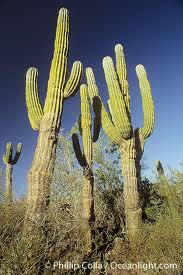
Cardon: The great defender xerophytic forest


CARDON

Archer with your face of sand
and flesh of rain.
Cactus hunter of stars.
Stalking warrior of the yerbazales,
hills.
Indigenous stealth.
threatening displays,
between the desert warmth
and the hope of a yearning greenery
your dry arrows
fueled by the horizons.
Static nevertheless, in the ecstasy
in the splendor of the sky, the light,
of the night.

Lubi Cardozo, Venezuelan poet


Like the medieval Templar Knights that were formed to defend the pilgrims, or the bands of Robin Hood in Sherwood Forest who boldy protected their rights to their territory, or the indigenous motilones of Onoto on the shores of the Caribbean , who with their swift arrows were able to reduce the Spanish invaders in South America, the noble Cardon, armed only with spiny thorns, courageously and silently protects the xerophilous forests of the planet.

The xerophilous forest or xerophytic, meaning the plant formations and associated vegetations that have adapted to life in a dry environment. Within this species the endemic flora and fauna, are able to survive the harsh desert conditions. Also, most of the plants are succulents, meaning they can store water. Others have seeds which lie dormant until rainwaters awaken them. In spite of all this, these plants find a way to get water and protection from the heat.

Within these desert forests, the most famous plant is the cactus, and the Cardon cactus is the best known. A common Cardon reaches a mature height of 5 to 10 meters, and can reach as high as 18 meters. Since it is a plant of slow growth, its average life is measured in hundreds of years, and this eliminates the need for a high rate of replacement by new generations.

Other succulent plants are the rose of the desert and the living rock. This last plant looks like a rock with spikes. This disguise protects it from predators. Like the many desert animals such as birds, snakes and rodents, whose populations are consistently low since they only reproduce after the winter rains, when the growth of vegetation ensures their sustainablity.

Since they drink almost no water, they have developed "techniques" to obtain the proper metabolism of foods, such as starches, which are metabolized to produce carbon dioxide and water, allowing them to live without drinking long periods of drought.

The truth is that the cactus instills much respect in large herbivorous animals like humans, who are careful not to enter their territories, because of possible injuries that could occur through brushing against their huge thorns or "dry arrows" as defined by the poet Lubi Cardozo, they will "almost deliberately" come out of their way to defend the xerophytic forests.

The Cardon tenaciously defends against predators and at the same time, protects its natural, beautiful dry forest. More than a metaphor, the planet needs to have armies of cacti in each of its territories, if it is to stop and keep at bay the over consumption , and in the name of sustainable development, our depletion of our natural resources.

By Lenin Cardozo / Edith Regier

sábado, 12 de noviembre de 2011

Del egoísta latifundio a las saludables reservas forestales – zoológicas


En Latinoamérica el latifundio se ubica dentro de la concepción negativa de la organización social del campo: es inmoral y es la expresión mas clara de la avaricia por la tierra. Cuando se entiende la superficie del suelo campestre como la base material primaria fundamental para la producción agraria, pecuaria, con su posterior versión industrial, todo lo cual implica una enorme utilización de mano de obra, una activísima ocupación laboral, el latifundio significa lo opuesto a todo esto por cuanto son inmensas extensiones de tierra ociosas, en manos de coleccionadores de territorios, con una ocupación laboral cero o menos cero, es decir nada.

Desde el punto de vista social, el latifundio representa, la usurpación más egoísta de la tierra productiva. Desmesuradas extensiones de suelos útil prisionera, por legalismos anacrónicos, de una a dos familias cuando más. Este es el rostro negativo del fenómeno.

Ahora bien, las tierras sometidas a intensas explotación agrícola producen, a la par de la abundancia alimentaría, un mal inevitable al ambiente natural, porque necesariamente elimina buena parte de la flora originaria – árboles, arbustos, yerbas - , desapareciendo por los mismos, los múltiples habitantes de la fauna silvestre.

¿A dónde van, a donde se refugian? Aquí aparece el rostro positivo del latifundio: este ofrece refugio a la fauna silvestre en su huida hacia la vegetación acogedora la cual se conserva en abundancia en su biodiversificación vegetal.

¿Como se traduciría lo expuesto en estas palabras?

En una proposición ultima:

a) El Estado debe resolver, el problema legal de la propiedad de los latifundios

b) El Estado, debe proteger esas extensiones de espacios verdes.

c) Declararlos Territorios libres para la vegetación, para sus animales silvestres, para sus aguas. Donde no se permitan los cuatro pecados capitales contra el bosque: la tala, la caza, la quema, la minería.

d) Finalmente ofrecerles estos extensos espacios verdes al humano solo para la contemplación, su estudio, la distracción; explotarlos únicamente mediante excursiones dirigidas, desarrollo de artes como la poesía, pintura, cine, hacer ciencia, en fin actividades que nos permitan crecer como raza, en armonía y respeto con las demás especies que allí habitan.

jueves, 27 de octubre de 2011

El Cardòn gran defensor de los bosques xerófitos


CARDÒN

Arquero con rostro de arena,
pulpa de lluvia.
Cacto de estrellas cazador.
Acechante guerrero desde los yerbazales,
las colinas.
Sigilo indígena.
Despliegas amenazante,
entre la calidez del desierto
y la esperanza de una anhelo de verdor,
tus áridas flechas
azuzado por los horizontes.
Estático sin embargo en el arrobo
del esplendor del cielo, de la luz,
de la noche.

Lubio Cardozo, poeta venezolano


Como los Caballeros Templarios del medioevo que se formaron para defender a los peregrinos, o las hordas de Robin Hood en el bosque de Sherwood que protegían las bondades de su territorio o los audaces indios motilones o la nación indígena de los Onoto en las costas del Caribe, que con sus flechas a discreción pudieron reducir al invasor español en Suramérica, el noble Cardòn, armado solo de su estructura espinosa, resguarda valiente y silenciosamente los bosques xerófilos del planeta.

Siendo los bosques Xerófilos o Xerófitos, aquellos conformados por plantas y asociaciones vegetales adaptadas a la vida en un medio seco. En ellos, sus especies endémicas de flora y fauna, son capaces de sobrevivir a las condiciones más inclementes del desierto. Así mismo, la mayoría de sus plantas son suculentas, lo que quiere decir que pueden almacenar agua. Otras, poseen semillas las cuales yacen inactivas hasta que el agua de lluvia las despierta. A pesar de todo, estas plantas encuentran el modo de obtener agua y protegerse del calor.

De estos bosques del desierto, la planta más famosa es el cactus, donde el Cardón es el cactus más grande que se conoce. Un Cardón común maduro alcanza una altura de 5 a 10 metros, encontrándose hasta de18 metros. Debido a que es una planta de crecimiento lento, su vida promedio se mide en cientos de años, lo cual elimina la necesidad de una alta tasa de reemplazo por nuevas generaciones.

Otras plantas suculentas son: la rosa del desierto y la roca viviente. Esta última planta parece una roca de espinas. Su disfraz la protege de sus predadores. También, muchos animales del desierto, como aves, serpientes y roedores, mantienen reducidas poblaciones y solo se reproducen después de las precipitaciones de invierno, cuando el crecimiento de la vegetación asegura el sustento. Y por no beber casi nada de agua, han desarrollado “técnicas” para obtenerla del propio metabolismo de los alimentos, como es el caso de los almidones, que al metabolizarse, producen dióxido de carbono y agua, los que les permite vivir sin beber por largos períodos de sequía.

Lo cierto, es que los cardonales infunden mucho respeto y los grandes animales herbívoros al igual que los humanos, se cuidan mucho de meterse en sus territorios, debido a las posibles lesiones que se les producirían al rozarse con sus inmensas espinas o “áridas flechas” como las define el poeta Lubio Cardozo, que “casi adrede” les salen al paso para defender el bosque xerófito.

El Cardon se defiende tenazmente de los depredadores y a la vez, resguarda su espacio natural, los hermosos bosques xerófitos. Mas allá de una metáfora, el planeta requiere contar con ejércitos de cardones en cada uno de sus territorios, para frenar así, el sobre consumo y mantener a raya a los que en nombre del desarrollo sustentable agotan nuestros recursos naturales.

lunes, 24 de octubre de 2011

Ecoschools will be the advocates for the Planet


"We educate for critical and creative thinking,
to have a profession and a good standard of living,
but we forget to teach responsibility
and care of the common future of the Earth
and Humanity ".

Leonardo Boff, Brazilian philosopher.


In the last decades of the twentieth century a part of humanity, the more conscious, expressed concern about the current state and future of the environment. Today, looks hopeful, as all eyes are set on encouraging education as a whole, but specifically in schools, where strategic plans emerge to train citizens for this future. Education, which until now had remained a big elephant, extremely obese, with severe limitations for immediate changes, was forced to rethink shifts in relation to its traditional approach towards the environment.

The new century opened with proactive initiatives such as Ecoschools, representing the implementation of a management approach, values, habits and attitudes, where everyone involved in school management becomes directly responsible for the collective synergy to be produced in each of these spaces, for protecting the environment.

Education, which until now had remained a large elephant, extremely obese, with severe limitations for immediate change, was forced to rethink its direction in relation to traditional approaches towards the environment. The new century opened with proactive initiatives such as Ecoschool. That is the implementation of an administration focused on values, habits and attitudes, where everyone involved in school management becomes directly responsible for the collective synergy produced in each of these spaces to forward environmental protection.

Teachers, who anonymously, had been making silent and even quixotic, efforts towards improving the environment in their schools, would now become leading actors in this rethinking of the educational focus.

Ecoschool’s vision stands as a value based program that assumes and serves the vital and urgent commitment to participate actively in environmental conservation, through the implementation of ongoing actions, jointly between schools and communities. As well, its Mission, aims to develop with the school communities, activities generating the environmental attitudes, capacities and skills needed to improve environmental awareness and environmental education study centres. Articulating the collaboration and support of public and private sectors.


The vision of the Ecoschool initiative seeks to socialize the importance of knowledge of the environmental dimension implicit in all human activities and in everyday.
Promoting the active participation and leading role of educational communities, providing the tools and knowledge to keep the planet healthy for future generations. Fostering love, gratitude and respect for the environment, by adopting habits, attitudes and practices that generate environmental awareness and encourage individual commitment to engage in activities aimed at environmental conservation.


Since the Ecoschools, hope for a better world is no longer a utopia but is transformed into reality. Hence there will emerge advocates for the continuation of life on the planet.

By Lenin Cardozo and Edith Regier

jueves, 20 de octubre de 2011

ECOLOGIA DEL TESTIMONIO. METAECOLOGÍA


La ecología del testimonio es una manera de resguardar en la memoria colectiva, ya sea impresa, fotográfica, fílmica, de cuanta riqueza natural -árboles, animales, ríos- tuvimos pero a partir de este testimonio, de estos testigos pasivos, podríamos volver a poseer, de volver a la vida creando las condiciones para ello porque tenemos por lo menos el registro científicamente asentado. Algo parecido a la idea de Jurassic Park pero con la ventaja de estar en la misma era, el cuaternario, no se trata entonces, de un salto hacia atrás en la historia natural sino de una continuidad donde solo se necesita un ingrediente afirmativo: la voluntad de salvar el planeta o por lo menos cada quien aquella parcela cercana a él donde la Tierra esta herida.

En el caso venezolano se han salvaguardado zonas de la ecología del testimonio, con abundantísima información científica registrada, valgan apenas estos ejemplos, aunque hay más: El manual de plantas usuales de Venezuela de Henry Pittier, Fauna descriptiva de Venezuela (Vertebrados) de Eduardo Rohl, Flora tropical ornamental de Jesús Hoyo, Flora de los páramos de Venezuela de Volkmar Vareschi, Árboles ornamentales de Caracas de Leandro Aristeguieta, Enumeración sistemática de las especies de moluscos hallados hasta ahora en los alrededores de Caracas y demás partes de la República de Adolfo Ernst, Guía de aves de Venezuela de William Phelps, Aves Venezolanas de Katherine Phoeb, Colibríes de Caracas de Ralph Dessau, Peces de los llanos de Venezuela de Antonio Machado Alison, Peces marinos de Venezuela de F. Cervigon.

Invito a los lectores a informarnos (azulambientalistas@gmail.com) de testimonios ecológicos totalizantes, impresos o fílmicos, de sus países o regiones respectivo porque la suma de estos conocimientos constituiría una especie de frontera imaginaria o limite a partir del cual se emprendería con justas y científicas razones la reconstrucción de la naturaleza perdida, de la vida del planeta.

Por Lenin Cardozo / Lubio Cardozo

Libro recomendado del autor de este articulo


lunes, 17 de octubre de 2011

The Chaparro, the last warrior of the desert before


"The Chaparro tree is rugged
as stones and winds appear

Watchful, undaunted by torrential rainfalls
the roar of the flames of summer sagittal
In the midst of dust devil storms

Oh brave unbeatable plant
in the avidity of the desert.

your warrior expression static and mobile
descends into the ocher lethargy of yernitud,
disciplined child with green and sun
in the warm dry savannas,
the hard life. "

Lubi Cardozo, Venezuelan poet.


When the Savannahs are the American lands, and there are only the chapparos, be prepared because after this solo defender are only deserts. It is the ultimate protector of the soil before it becomes only moving sand, by the forces of the wind.

It is the great gladiator, against erosion and desertification, who battles to the end, clinging to stand, even with little surrounding vegetation, under the most adverse conditions.

It belongs to the Fagaceae family (beech tree: family of beech, chestnut and oak trees) to the genus Quercus. In general, the Chaparro is a medium sized tree but often is reduced, the degradation of soils.

The world is not ready for new deserts as a result of unpunished deforestation. Skin cancer is more aggressive, the Earth as a planet is suffering. The Chaparro tree alone can not.

What to do?

Without actually claiming to be a Cartesian or mathematician, but if it is true that the current round population at about 7 billion humans, with a quarter of it, those more thoughtful, plant a tree per person for every year of his life, we will be stopping much of the growth of existing deserts.

We are children of the trees. They are the parents of mankind. Thanks to them breathe - oxygen! - And we feed.

Really, can we in our lives move from offsetting consumption of the derivatives of the trees we have taken?. As the paper to write, on which we read the news, that we use in the bathroom, which we transform to make furniture and doors where we live. Or their fruits that we acquire. The reforestation of the planet is possible, there are botanists, ecologists, soil scientists, farmers, surveyors, ie science and technology to reforest the planet we have them, but what's missing is POLITICAL WILL.

Each time that you have a birthday, that day, please take a few minutes to plant a tree, celebrate that great gift of nature that life keeps on giving.

By Lenin Cardozo and Edith Regier

A Venezuelan is born: Biological Station Towns of Water


Today we are witnessing a rupture and displacement of the egocentric and elitist way to study or scientific research, of sciences as the biology, ecology, botany, among others, which were known through exquisite refereed publications and almost restricted access for the “unscientific.”

The public urgency even more growing to know what is going on around environmental matter, where only from an integrated perspective of all knowledge of both natural and social sciences, it is possible to find the understanding to achieve the corrective actions, is which has made possible the emergence of initiatives such as the creation in the West of Venezuela of the Biological Station Towns of Water .

The Biological Station Towns of Water, is anchored in one of the largest mangrove forest of Zulia region, in the historic town of Santa Rosa de Agua (Saint Rose of Water) of the Añú indigenous community, with houses on the lake or stilts, being this ancient lake architecture what inspired the conquerors to call this land Venezuela, by memories of the Italian city of Venice.

It is a joint initiative between the Center for Popular Education (CEP in spanish) and the Foundation Blue Environmentalists. Also, the Biological Station Towns of Water, will have a substation on the island of San Carlos (which borders another important mangrove forest) and a station in the Sierra de Perija, to be called ” Towns of Manatará” (towns the holy mountain, in the indigenous culture Bari / Yukpa).

This convergence of scientific, social and anthropological seeks to promote the conservation of marine biodiversity of forests, lakes and mountains, through training, scientific research, environmental education programs at the regional level, national and international, generators of the harmonious management of natural resources and community building socialization of leaders environmental advocates, to promote ethnic and gender participation. Still, this contribution aims to be a scientific reference, the study of marine biodiversity, lakeside of the basin of the Maracaibo lake and the flora and fauna of the Sierra de Perija, such as environmental integrator circuit of the region.

Among its noble objectives, the Biological Station Towns of Water arises to undertake research and support educational activities on biodiversity associated with the mangrove , conservation of marine species and lakeside in the region. Promoting the participation of environmental scientists, teachers and all those interested in exploring different areas of the natural sciences.

Also, to sponsor scientific collaboration and exchange among its members and other institutions engaged in similar studies in coastal lakes, marine and mountains. To disseminate the research results and achievements of members, organize conferences, courses, seminars, meetings, workshops and everything related to the topics investigated and improve and impact the environmental conditions and population centers adjacent to the Biological Station

The birth of the Biological Station Towns of Water, is an action of civility, is the expected and desired daughter the environmentalists needed in this region.

Welcome !

By Lenin Cardozo / Mariana Jaramillo